Introduction
Throughout history, many communities have shown extraordinary courage during wars, invasions, and difficult times. Their bravery is remembered through stories of sacrifice, leadership, and determination.
From Sikh warriors in Punjab to Gurkha soldiers in the Himalayan region, different communities have played important roles in military history.
But what makes a community brave? Is it military strength, the willingness to protect others, or the ability to face danger?
In this article, we explore ten communities known for their historical courage and achievements. This is not an official ranking because bravery cannot be measured by religion, nationality, or ethnicity.
Sikhs

Sikhs – Courage, Service, and Sacrifice
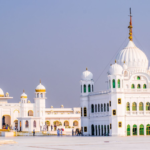
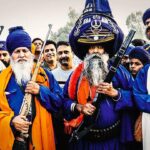
The Sikh community has a long history of courage, sacrifice, and service to humanity. Sikh teachings encourage people to stand against injustice, protect those in need, and treat everyone with respect.
One important example is Guru Gobind Singh Ji, the tenth Sikh Guru, who established the Khalsa in 1699. The Khalsa emphasized courage, discipline, equality, and a commitment to defending the oppressed.
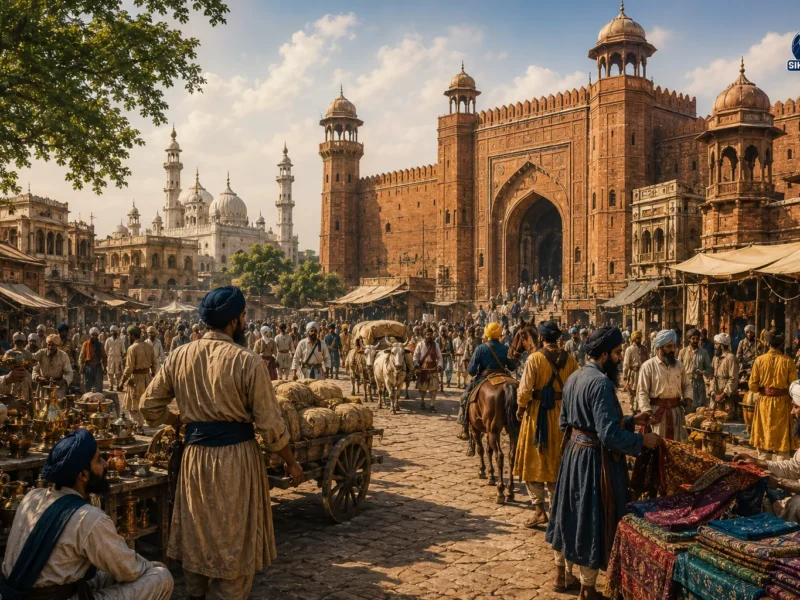
During the eighteenth century, Sikh warriors faced several military challenges in Punjab. Later, Maharaja Ranjit Singh united major Sikh territories and established a powerful kingdom in the region.
Another well-known figure is Hari Singh Nalwa, a military commander who played an important role in expanding and defending the Sikh Empire’s northwestern territories.
Sikh courage is not limited to the battlefield. The tradition of seva, or selfless service, encourages Sikhs to help people regardless of their religion or background. Community kitchens, known as langar, are an important example of this commitment.
The Gurkha

Gurkhas – A Proud Military Tradition
Gurkhas are soldiers traditionally recruited from Nepal. They are widely respected for their military service, discipline, and endurance.
Gurkha soldiers began serving in the British East India Company’s army in the nineteenth century, following the Anglo-Nepalese War of 1814–1816.
Over time, Gurkha regiments became known for their service in major military campaigns, including the First and Second World Wars.
Gurkha soldiers have also served in the armed forces of independent India and the United Kingdom.
One famous Gurkha soldier was Lachhiman Gurung, who received the Victoria Cross for his extraordinary courage during the Second World War.
The Gurkha military tradition is associated with determination, loyalty, and resilience. Their history shows how military training, discipline, and personal courage can become important parts of a long-standing tradition.
The Kurds

The Kurds – Courage, Resilience, and Cultural Identity
The Kurds are an ethnic community primarily living in the mountainous regions of Turkey, Iraq, Iran, and Syria. They have a long history of resilience, cultural pride, and struggles to preserve their identity.
Throughout history, Kurdish communities have faced political challenges, conflicts, and displacement. Despite these difficulties, they have maintained their languages, traditions, and cultural heritage.
One of the most famous historical figures of Kurdish origin was Saladin (Salah ad-Din), the twelfth-century Muslim leader who founded the Ayyubid dynasty. He became widely known for his military leadership during the Crusades and his recapture of Jerusalem in 1187.
In modern history, Kurdish forces, including the Peshmerga in Iraq, have played significant roles in regional conflicts, particularly in the fight against ISIS.
Kurdish history reflects courage not only through military achievements but also through the determination to preserve cultural identity during difficult circumstances.
Their story highlights the importance of resilience, community solidarity, and the struggle for cultural recognition.
Cossacks

Cossacks – Skilled Horsemen and Warriors
The Cossacks were historically known as skilled horsemen and military communities living primarily in the regions of present-day Ukraine and southern Russia. They developed a reputation for their cavalry skills, independence, and strong military traditions.
During the sixteenth and seventeenth centuries, Cossack communities played important roles in Eastern European history. The Zaporozhian Cossacks, based around the Dnieper River, became particularly famous for their military organization and traditions of self-government.
Cossack warriors were highly skilled in horseback riding, sword fighting, and battlefield tactics. Their mobility, endurance, and knowledge of local terrain helped them during numerous military campaigns.
One prominent historical leader was Bohdan Khmelnytsky, who led a major Cossack uprising against Polish-Lithuanian rule in 1648. This uprising significantly influenced the political history of Eastern Europe, although it also involved widespread violence and suffering.
The Cossacks are remembered for their military discipline, adaptability, and strong community identity. Their history reflects a long tradition of resilience and military organization.
Mongols

Mongols – Courage and Military Strategy
The Mongols are remembered for building one of the largest land empires in history. Under the leadership of Genghis Khan, Mongol armies expanded across large parts of Asia during the thirteenth century.
Mongol warriors were skilled horse riders and archers. Their military success came from discipline, mobility, communication, and carefully planned strategies.
One of their greatest strengths was their ability to travel long distances and adapt to different battlefield conditions.
The Mongol Empire eventually extended across much of Eurasia, connecting regions through trade and cultural exchange. However, its expansion also involved destructive wars and significant loss of life.
The history of the Mongols demonstrates the importance of military organization, endurance, and strategic leadership.
Vikings

Vikings – Seafaring Warriors and Explorers
The Vikings were skilled sailors, warriors, and explorers who came from Scandinavia, mainly present-day Norway, Sweden, and Denmark. Between the late eighth and eleventh centuries, they travelled across Europe and beyond, establishing trade routes, settlements, and new territories.
Viking warriors were known for their seafaring abilities, endurance, and military tactics. Their advanced longships allowed them to navigate both open seas and shallow rivers, giving them an advantage during exploration and military campaigns.
One of the most famous Viking explorers was Leif Erikson, who is believed to have reached North America around the year 1000, centuries before Christopher Columbus.
Although Viking raids sometimes involved violence and destruction, Viking societies also contributed to trade, craftsmanship, navigation, and cultural exchange.
Their history demonstrates remarkable maritime skills, adaptability, and determination in challenging environments.
Maratha

Marathas – Courage, Leadership, and Military Strategy
The Marathas were a powerful military and political force in Indian history, particularly during the seventeenth and eighteenth centuries. They are remembered for their courage, strategic leadership, and determination to establish an independent kingdom.
One of the most celebrated Maratha leaders was Chhatrapati Shivaji Maharaj, who established the Maratha kingdom in western India during the seventeenth century. He was known for his innovative military strategies, effective administration, and use of hill forts to defend his territories.
Maratha warriors were particularly skilled in mobile warfare, rapid cavalry movements, and guerrilla tactics. Their knowledge of mountainous terrain and ability to launch surprise attacks helped them challenge larger and better-equipped armies.
The Marathas played a significant role in resisting Mughal expansion and later became one of the most influential political powers in the Indian subcontinent.
Another important leader was Peshwa Bajirao I, who expanded Maratha influence through successful military campaigns during the eighteenth century.
Maratha history also includes remarkable examples of sacrifice, resilience, and leadership. Their military achievements demonstrate the importance of strategic planning, adaptability, and determination.
The legacy of the Marathas remains an important part of India’s history, reflecting courage, administrative ability, and a strong tradition of military leadership.
Japanese

Japanese – Samurai Warriors, Courage, and Discipline
The Japanese have a rich history of military traditions, discipline, and cultural resilience. Among the most famous warriors in Japanese history were the Samurai, who played an important role in shaping Japan’s political and military systems for several centuries.
The Samurai emerged as a powerful warrior class during Japan’s medieval period. They were known for their martial arts training, swordsmanship, loyalty, and military discipline.
One of the most influential figures in Japanese history was Oda Nobunaga, a sixteenth-century military leader who played a major role in the unification of Japan. His innovative battlefield strategies and use of firearms transformed Japanese warfare.
Another celebrated historical figure was Miyamoto Musashi, a legendary swordsman and strategist who wrote The Book of Five Rings, a famous work on martial strategy and philosophy.
The Samurai are often associated with Bushido, a set of warrior ideals emphasizing loyalty, honor, courage, and self-discipline. However, these ideals evolved over time and did not represent a single universal code followed by every Samurai.
Japanese history also demonstrates resilience through cultural preservation, rebuilding after natural disasters, and adapting to major social changes.
The legacy of Japanese warriors highlights the importance of discipline, strategic thinking, perseverance, and military organization.
African Warrior tribes

African Warrior Tribes – Courage, Resistance, and Military Traditions
Africa has a rich history of powerful kingdoms, skilled warriors, and communities that demonstrated remarkable courage in defending their territories, cultures, and independence.
Throughout history, several African societies developed sophisticated military systems and produced influential leaders who played important roles in shaping the continent’s history.
The Zulu Warriors
The Zulu Kingdom of southern Africa became famous for its military organization and battlefield strategies during the nineteenth century.
King Shaka Zulu introduced important military reforms, including new fighting formations, disciplined regiments, and the effective use of short stabbing spears.
The Zulu demonstrated their military capabilities during the Anglo-Zulu War of 1879, particularly at the Battle of Isandlwana, where Zulu forces defeated a British army.
The Maasai Warriors
The Maasai are an East African community primarily living in Kenya and Tanzania. They are known for their distinctive cultural traditions and historical warrior system.
Traditionally, young Maasai men underwent training and initiation ceremonies as part of becoming morans, or warriors.
Their responsibilities historically included protecting livestock, defending communities, and maintaining social traditions.
The Ashanti Warriors
The Ashanti, also known as the Asante, established a powerful kingdom in present-day Ghana.
During the eighteenth and nineteenth centuries, the Asante developed an organized military system and defended their political and economic interests through several conflicts.
One remarkable historical figure was Yaa Asantewaa, the Queen Mother of Ejisu, who led resistance against British colonial rule during the War of the Golden Stool in 1900.
Her leadership remains an important example of courage, determination, and resistance to colonial domination.
The Legacy of African Warriors
African military history reflects diverse traditions of leadership, discipline, resilience, and strategic thinking.
The achievements of the Zulu, Maasai, Ashanti, and many other African communities demonstrate that courage has taken different forms throughout history.
Their stories highlight the importance of cultural identity, community protection, and resistance against oppression.
Israeli

Israelis – Military History, Courage, and Resilience
Israel has a complex military history shaped by regional conflicts, national security challenges, and the experiences of its diverse population. Since the establishment of the State of Israel in 1948, its armed forces have played a central role in the country’s history.
The Israel Defense Forces (IDF)
The Israel Defense Forces (IDF) were established in 1948. They include ground, air, and naval forces and have participated in several major conflicts, including the 1948 Arab–Israeli War, the Six-Day War of 1967, and the Yom Kippur War of 1973.
The IDF is known for its emphasis on military training, intelligence, technology, and rapid mobilization. Military service has also influenced many aspects of Israeli society.
Historical Examples of Military Leadership
One prominent military figure was Yitzhak Rabin, who served as the IDF’s Chief of Staff during the Six-Day War in 1967. He later became Israel’s prime minister and played an important role in the Israeli–Palestinian peace process.
Another notable figure was Moshe Dayan, who served as Israel’s defense minister during major periods of regional conflict.
Their careers illustrate the relationship between military leadership, national security, and political decision-making.
Resilience and Civilian Experiences
Israeli history also includes experiences of civilian resilience during wars, security threats, and periods of uncertainty.
However, the Israeli–Palestinian conflict has caused extensive suffering and loss of life among both Israelis and Palestinians. Understanding this history requires acknowledging the experiences and rights of all affected communities.
The Legacy of Israeli Military History
Israeli military history demonstrates the importance of strategic planning, technological development, military organization, and adaptation to changing security challenges.
At the same time, military achievements should be examined alongside their humanitarian consequences.
Courage is not limited to soldiers or military operations. It can also be demonstrated through humanitarian assistance, protecting civilians, and working toward peaceful solutions