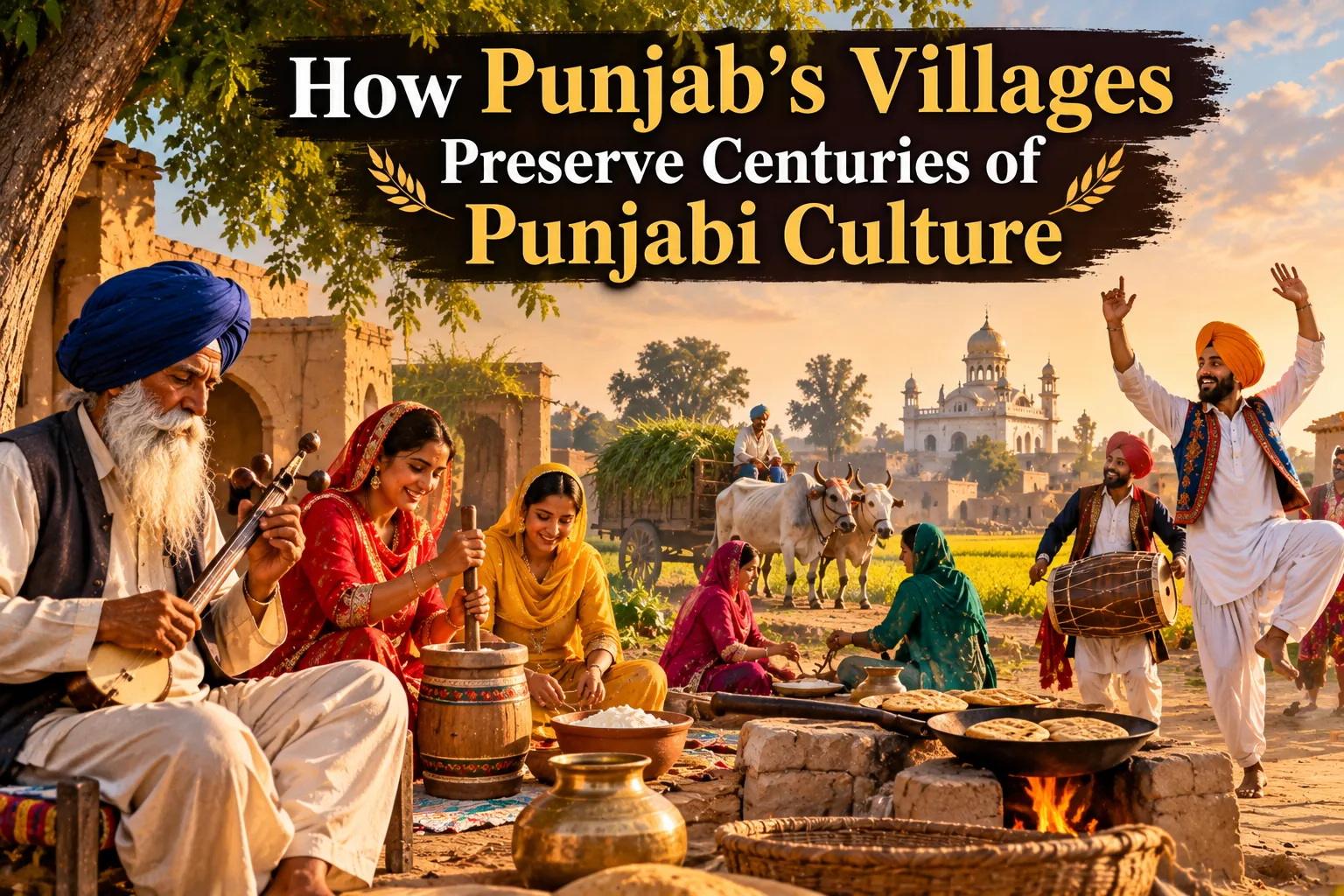
Punjab’s villages are more than settlements surrounded by fields. They are living places where language, food, music, craft, farming knowledge and community traditions connect the present with generations past. While village life has changed dramatically, many everyday practices still preserve important parts of Punjabi culture.
Why Punjabi villages matter to cultural heritage
Punjab has a long history shaped by agriculture, trade, migration, faith and encounters among different communities. Villages preserve this layered history in family stories, local place names, shared celebrations and buildings. Their traditions are not frozen in time: residents continually adapt them to new circumstances.
Punjabi language and oral storytelling
Punjabi is heard in daily conversations, folk songs, proverbs and storytelling. Elders often pass down memories through boliyan, riddles and accounts of village history. Oral traditions can preserve local knowledge that never appeared in written records. Punjabi is written in Gurmukhi in Indian Punjab and commonly in Shahmukhi in Pakistani Punjab, reflecting the region’s shared yet diverse literary heritage.
Folk music, dance and seasonal celebrations
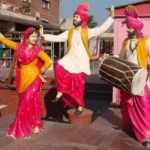
Traditional songs accompany weddings, harvests and family gatherings. Bhangra and giddha have roots in Punjabi folk performance, though their contemporary stage forms have evolved. Celebrations such as Vaisakhi, Lohri and Teeyan bring people together in different ways depending on locality, religion and family custom.
Music, clapping, dhol rhythms and boliyan help younger generations learn familiar expressions and stories, even as performances change with modern tastes.
Food traditions passed from kitchen to kitchen
Village kitchens preserve recipes through practice rather than formal instruction. Makki di roti, sarson da saag, dals, seasonal pickles, lassi and dishes cooked on a chulha are closely associated with Punjabi food culture. Ingredients and recipes vary widely by household, region, season and available resources.
Sharing food with guests and neighbors remains an important expression of hospitality. Community kitchens and langar also demonstrate how preparing and serving meals can bring people together.
Farming knowledge and the changing landscape
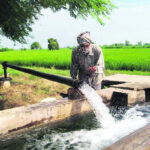
Traditional farming shaped Punjabi vocabulary, seasonal routines, tools and celebrations. Knowledge about crops, weather, livestock and irrigation was often learned across generations. The Green Revolution and later mechanization transformed agriculture, increasing production but also changing work, water use and village environments.
Preserving cultural heritage means remembering older farming methods while discussing today’s challenges, including groundwater depletion and the future of rural livelihoods.
Phulkari and traditional craftsmanship
Phulkari embroidery is one of Punjab’s best-known textile traditions. Historically, women created embroidered textiles for family occasions and ceremonial use. Other crafts—including weaving, pottery, woodwork and metalwork—also reflect local skills. Contemporary artisans reinterpret these practices for new markets, helping some traditions survive while changing their economic role.
Community spaces and shared memory
Village streets, wells, ponds, courtyards, religious institutions and gathering places can carry stories about past generations. Gurdwaras, temples, mosques and other spaces reflect the diverse religious history of the wider Punjab region. The pind is often remembered as a place of belonging, although village society has also experienced divisions based on caste, gender, wealth and landownership.
Weddings and family customs
Punjabi weddings often include music, family gatherings and rituals that vary by faith and community. Traditional songs and ceremonies help maintain family connections, but customs have evolved alongside urbanization, migration and changing expectations. Recording the memories of older relatives can help families understand why particular practices mattered.
How migration connects Punjabi villages to the world
Migration to cities and countries abroad has reshaped village life. Families maintain ties through visits, remittances, celebrations, video calls and community projects. Punjabi cultural practices travel with migrants and return in new forms, influencing music, architecture, fashion and aspirations in the villages themselves.
How can we preserve Punjabi village culture?
- Record elders’ oral histories, folk songs and local stories with their permission.
- Support artisans and document how traditional crafts are made.
- Encourage children to learn Punjabi language, proverbs and literature.
- Preserve photographs, letters and community records with accurate dates and names.
- Celebrate local traditions while welcoming change and respecting different communities.
- Protect historically important buildings and natural spaces where feasible.
Frequently asked questions
What makes Punjabi village culture unique?
Its distinctive mix of Punjabi language, folk traditions, agriculture, food, crafts and local histories makes village culture recognizable, though no two villages are exactly alike.
Which festivals are celebrated in Punjab’s villages?
Vaisakhi, Lohri and Teeyan are among the widely recognized celebrations, with participation and customs varying by community.
What is phulkari?
Phulkari is a traditional Punjabi embroidery practice known for colorful patterns, historically associated with women’s textile-making and family occasions.
Is village culture disappearing?
Some practices are becoming less common, but others are being adapted or revived. Migration, education, technology and changing livelihoods shape how traditions continue.
Conclusion
Punjab’s villages preserve centuries of culture not simply through old buildings or festivals, but through everyday acts: speaking Punjabi, sharing recipes, remembering stories, making crafts and gathering as communities. Their heritage is strongest when it is documented carefully, practiced meaningfully and passed on in ways that respect both history and change.