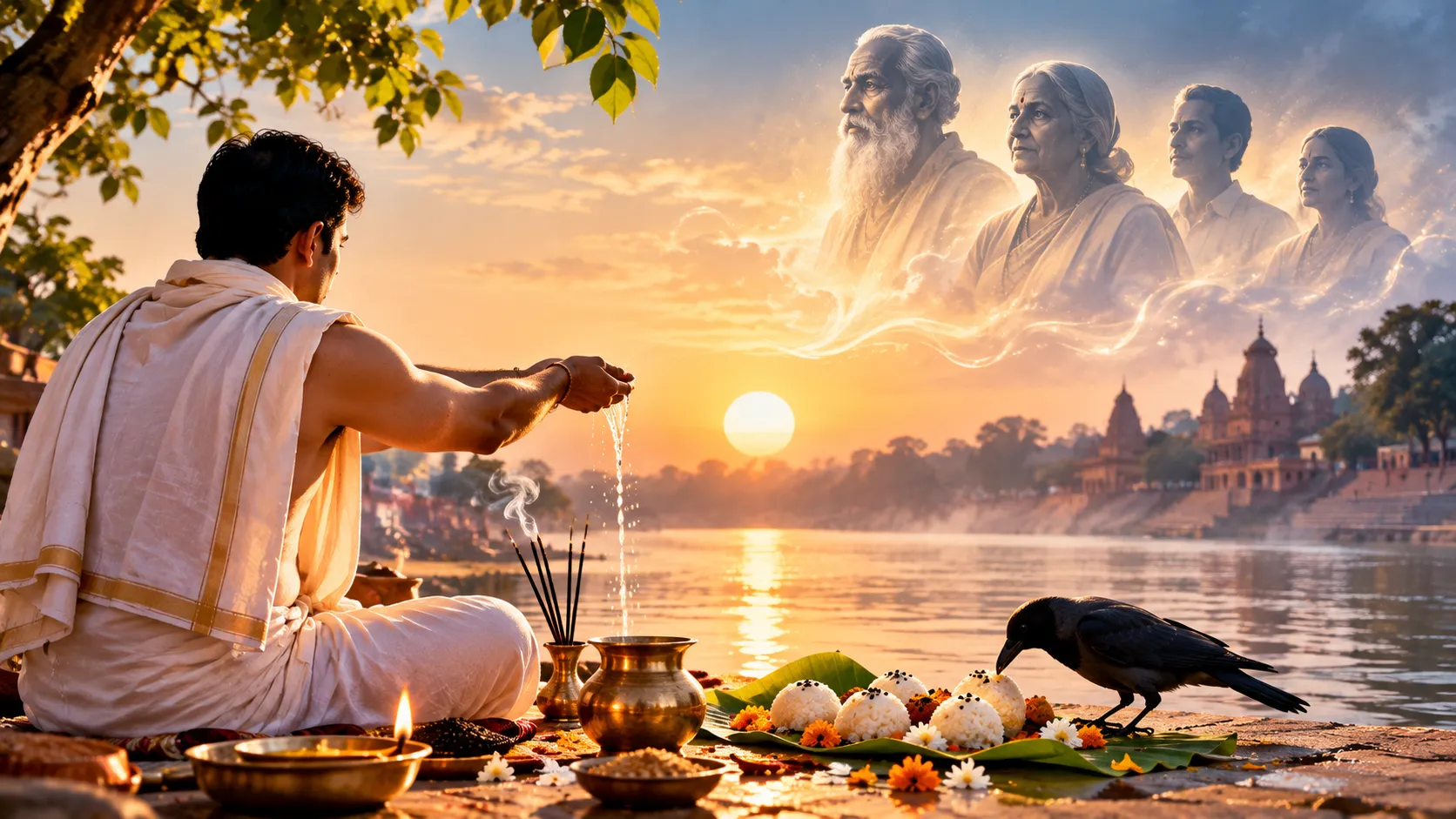
Shradh, also spelled Shraddha or Śrāddha, is a set of Hindu rites performed to remember and honour deceased parents, ancestors, and other family members. The word is associated with faith, respect, and devotion. These observances are especially connected with the Hindu period known as Pitru Paksha, although practices and dates vary by region, family tradition, and religious school.
Many people have questions about Shradh: Why is it performed? How many types are there? Does food offered during a ritual physically reach ancestors? And what does Sikh teaching, particularly the message associated with Guru Nanak Dev Ji, say about rituals performed for the departed? Understanding these questions requires respect for Hindu traditions while also recognising the distinct teachings of Sikhism.
What Is Shradh?
In Hindu traditions, Shradh is a ritual act of remembrance and duty toward deceased ancestors. Depending on the family and tradition, it may include prayers, offerings of water, food, or other symbolic items, charitable giving, feeding people, and ceremonies performed with the guidance of a priest. The purpose is commonly described as expressing gratitude to ancestors, fulfilling family responsibilities, and praying for their peace or well-being in accordance with the beliefs of that tradition.
Shradh is not practised identically by all Hindus. Ritual details, religious explanations, and the importance attached to particular ceremonies differ across communities. For many families, it is also a deeply personal time to remember parents and grandparents, reflect on their lives, and acknowledge the generations that came before them.
When Is Shradh Observed?
One of the best-known periods for these rites is Pitru Paksha, a period in the Hindu lunar calendar traditionally devoted to honouring ancestors. It is often observed over approximately sixteen lunar days, but the exact dates change each year and can vary according to regional calendars. Families may also perform rites on the death anniversary of a relative or on other occasions prescribed by their custom.
Because Hindu practices are diverse, it is best to check a trusted local calendar or consult a knowledgeable practitioner for dates and procedures relevant to a particular family tradition.
How Many Types of Shradh Are There?
There is no single list used by every Hindu community. Hindu religious texts and regional traditions classify Shradh in different ways. Some commonly discussed forms include:
- Parvana Shradh: A form of ancestral rite commonly associated with particular lunar dates and Pitru Paksha observances.
- Ekoddishta Shradh: A rite traditionally associated with a particular deceased person, especially in ceremonies following a death.
- Nitya Shradh: Daily or regular offerings described in some ritual classifications.
- Naimittika Shradh: A rite performed on a specific occasion, such as a death-related anniversary or another prescribed event.
- Vriddhi Shradh: A rite associated in some traditions with occasions of family growth or auspicious events.
- Sapindikarana: A ceremony in certain Hindu traditions that marks a stage in the rites for the deceased and their relationship to the ancestral group.
These terms do not represent a universal checklist, and classifications may overlap or differ between texts and communities. The specific ritual followed by a family depends on its tradition and the guidance it accepts.
Does the Food Offered During Shradh Reach the Ancestors?
This question can be understood in two different ways: as a matter of religious belief and as a matter of physical evidence. In some Hindu traditions, offerings made during Shradh are understood to benefit the departed through religious or spiritual means. The explanation varies according to the tradition, and the ritual can also express gratitude, remembrance, and a continuing bond between generations.
From a scientific and physical standpoint, there is no established evidence that food placed in a ritual offering is physically transported to a deceased person in another realm. Food remains in the physical world and may be consumed by people or animals, depending on how it is offered and handled. Science cannot verify spiritual claims about an afterlife simply by examining the food itself.
It is therefore important to distinguish between a faith-based understanding and a claim that can be demonstrated physically. People may hold sincere religious beliefs about the meaning of these rites, while others may interpret them symbolically—as a way to remember ancestors, practise generosity, and care for the living.
What Does Sikhism Teach About Shradh?
Sikhism has its own spiritual teachings and religious practices. In Sikh understanding, remembrance of the Divine, truthful living, honest work, sharing with others, and selfless service are central. Sikh teachings place great importance on the inner sincerity of a person’s life rather than assuming that a ritual alone can guarantee spiritual benefit.
For this reason, Shradh as an ancestral rite is not a required Sikh religious observance in the way it is practised in some Hindu traditions. Sikh families and individuals may have different cultural backgrounds or family customs, but a practice should not be presented as a universal Sikh requirement simply because some Punjabi families observe it.
The Sikh perspective encourages people to honour their parents and ancestors through gratitude, good conduct, remembrance, and acts of kindness. Supporting people in need, sharing food, living honestly, and carrying forward the good values taught by elders are meaningful ways to respect their legacy.
What Was Guru Nanak Dev Ji’s Message About Rituals?
Guru Nanak Dev Ji challenged empty formalism and encouraged people to seek spiritual truth through sincere devotion, humility, and ethical living. The broader message of Gurbani is that outward actions have little spiritual value if they are separated from truthful conduct, compassion, and awareness of the Divine. Sikh teachings also question the assumption that a ritual, performed without inner transformation, can by itself resolve a person’s spiritual responsibilities.
This should not be taken as a reason to insult Hindu beliefs or the people who observe Shradh. Sikhism and Hindu traditions have distinct understandings of religious duty, ritual, and the afterlife. A fair discussion should explain those differences accurately and respectfully rather than mocking another community’s customs or claiming that every Hindu understands the ritual in exactly the same way.
Can Sikhs Remember and Honour Their Ancestors?
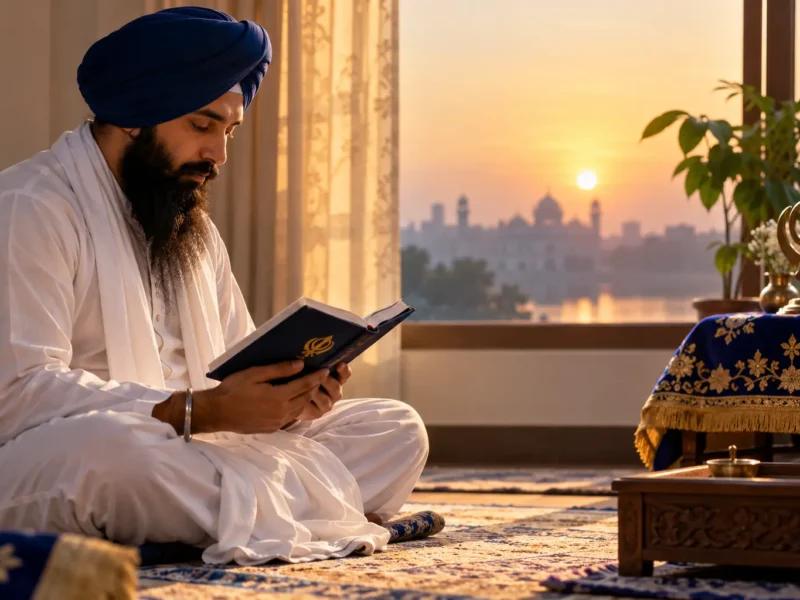
Yes. Remembering deceased family members, feeling gratitude toward parents and grandparents, preserving family history, and praying in accordance with one’s faith are all ways people may honour loved ones. In Sikh life, this remembrance can be expressed through Ardas, reading or listening to Gurbani, participating in sangat, doing seva, sharing langar, and helping those who need support. These are general Sikh practices and should not be confused with performing the Hindu Shradh ceremony.
Families may also keep photographs, tell stories about their elders, care for relatives, and pass on lessons of courage, generosity, and integrity. The key is to distinguish cultural family customs from formal religious requirements and to make room for respectful differences within families and communities.
Shradh and Sikhism: Key Differences
- Purpose: Shradh in Hindu traditions is a prescribed form of ancestral remembrance and offering. Sikh teachings emphasise remembering the Divine and honouring elders through truthful living and service.
- Ritual practice: Some Hindu families perform specific ceremonies and offerings. Shradh is not a required Sikh observance.
- Food offerings: Beliefs about spiritual benefit vary among Hindu traditions. Sikh practice places strong emphasis on sharing food with the living through langar and helping people in need.
- Respect for family: Both traditions can inspire gratitude and care for family, but their religious explanations and practices should not be treated as identical.
Conclusion: Remember Ancestors With Gratitude and Live With Truth
Shradh holds significance for many Hindu families as a way to remember and honour ancestors. The number and form of Shradh rites differ across traditions, and beliefs about how offerings benefit the departed are matters of religious faith rather than scientifically established physical transfer.
From a Sikh perspective, Shradh is not a compulsory Sikh religious ceremony. The teachings associated with Guru Nanak Dev Ji direct attention toward sincere devotion, truthful living, humility, compassion, and service. Sikhs can honour their ancestors by living with integrity, caring for others, and preserving the good values passed down by their elders.
Understanding these differences helps build respectful conversations between communities. We can explain our own beliefs honestly while treating the faith and traditions of others with dignity.
SikhHeros shares educational articles on Sikh teachings, Punjabi culture, religious traditions, and history to encourage informed and respectful understanding.