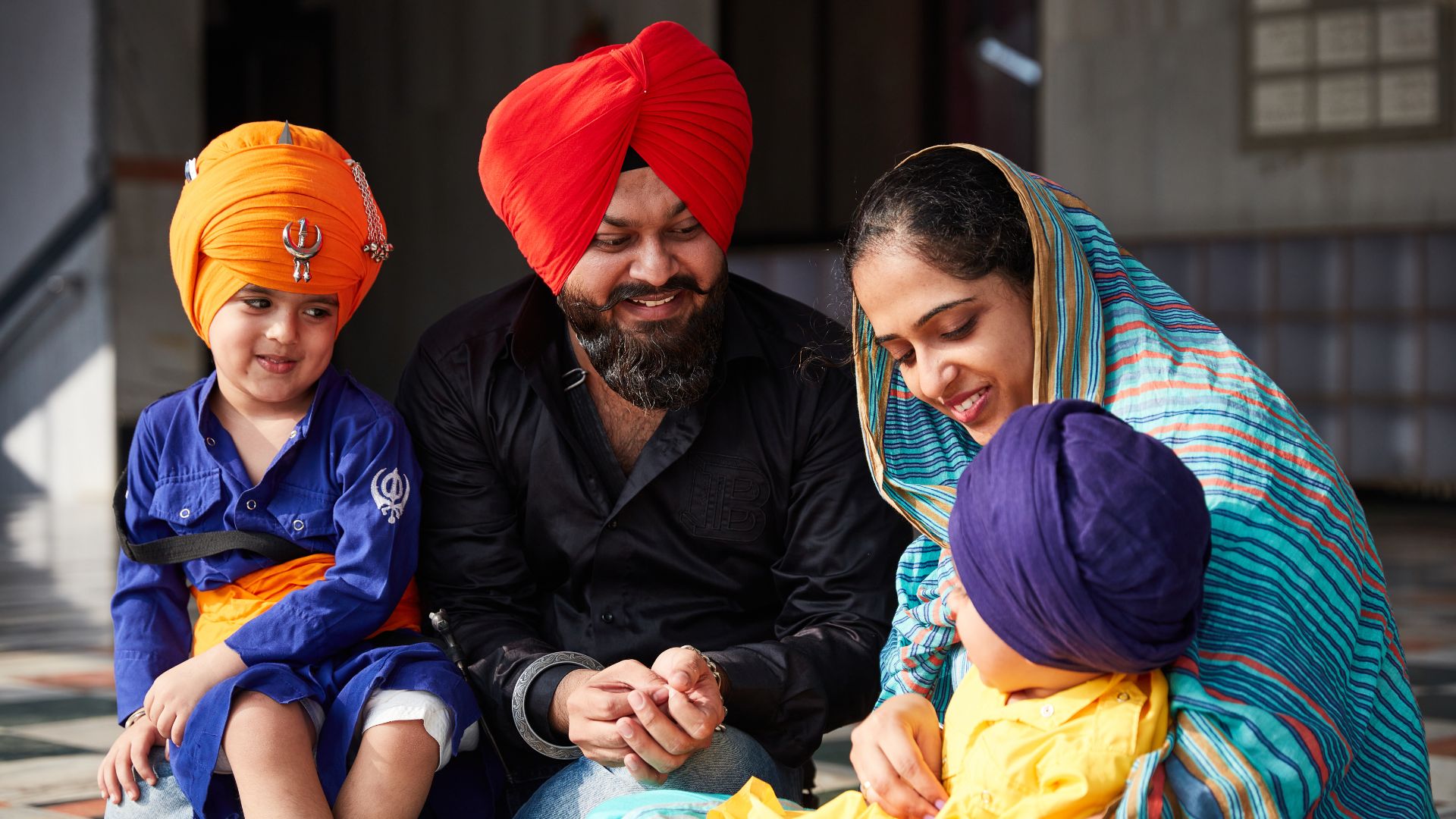
When we see a turbaned individual, three words often come to mind — Sikh, Punjabi, and Sardar. Many people across the world use these terms interchangeably, but are they truly the same? The reality is much deeper and more meaningful.
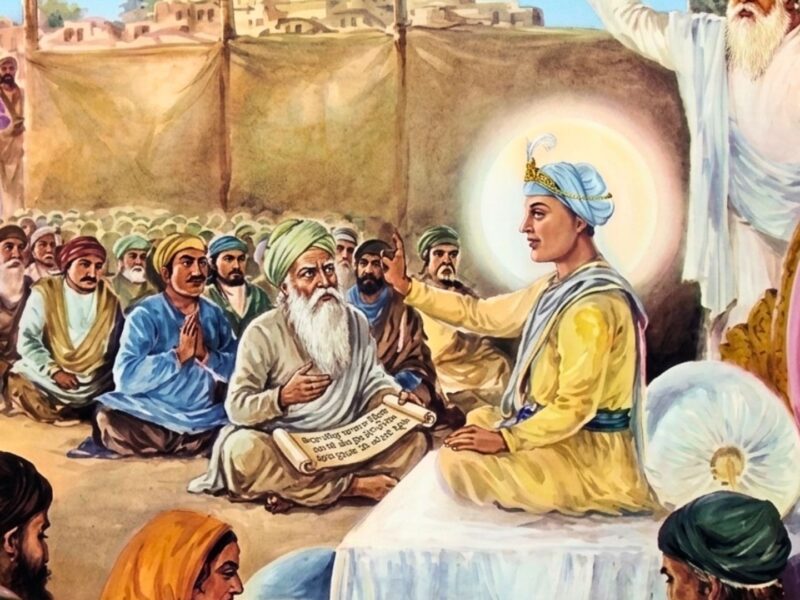
A Sikh refers to a follower of Sikhism, a spiritual path founded in the 15th century by Guru Nanak Dev Ji. The word “Sikh” comes from the Sanskrit word Shishya, meaning disciple or learner. Sikhism is rooted in the belief of One God (“Ik Onkar”) and follows the teachings of the Ten Gurus and Guru Granth Sahib Ji. It stands firmly against caste discrimination and promotes equality, courage, and service to humanity. In 1699, Guru Gobind Singh Ji established the Khalsa, giving Sikhs a distinct identity through the Five Ks and the names “Singh” and “Kaur,” symbolizing dignity and equality.
A Punjabi, on the other hand, is a cultural and ethnic identity — not a religious one. A Punjabi is someone connected to the land of Punjab, its language, traditions, and heritage. Punjabis can be Sikh, Hindu, Muslim, Christian, or belong to any other faith. For example, millions of Punjabi Muslims live in Pakistani Punjab. Similarly, a Sikh born and raised outside Punjab may follow Sikhism but may not culturally identify as Punjabi.
The term Sardar historically means “leader” or “chief,” derived from Persian origins. During the Mughal period and the era of Sikh Misls, Sikh leaders and warriors were respectfully addressed as Sardars. Over time, the word became a title of honor, commonly used today for turbaned, initiated Sikhs. However, it is not a religion or a caste — it is a respectful form of address recognizing identity and character.
In simple terms: Sikhism is a faith, Punjabi is a cultural heritage, and Sardar is a title of honor.
A person can be all three — but they are not automatically the same. Understanding this distinction helps clear common misconceptions and builds greater respect for identity, history, and heritage.