Akali MovementAkali Movement (Gurdwara Reform Movement) | 1920–1925Akali Movement
Restoring Sikh Sovereignty Over Sacred Institutions
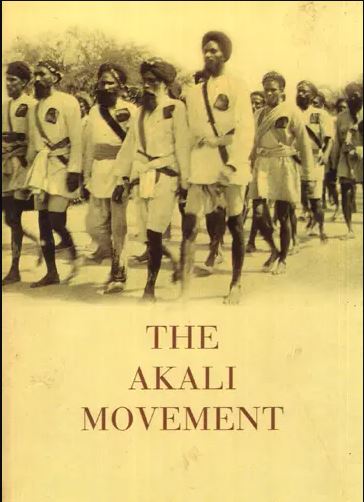
The Akali Movement, also known as the Gurdwara Reform Movement (1920–1925), was one of the most important socio-religious movements in Sikh history. Its primary aim was to free Sikh Gurdwaras from corrupt and hereditary mahants and restore them to the collective authority of the Sikh Panth.
More than a struggle for temple management, the Akali Movement became a moral, spiritual, and political awakening that reshaped modern Sikh identity and contributed significantly to India’s freedom movement.
Historical Background
Gurdwaras were established by the Sikh Gurus as centres of:
- Spiritual worship
- Community education
- Social equality
- Langar (free community kitchen)
After the period of Guru Gobind Singh Ji, control of many historic Gurdwaras gradually passed into the hands of Udasi mahants. While some early caretakers preserved these shrines, over time many mahants:
- Treated Gurdwaras as personal property
- Accumulated wealth through donations and land grants
- Violated Sikh religious discipline
- Allowed practices contrary to Sikh principles
With British colonial support, these mahants maintained control, leaving the Sikh community largely excluded from managing its own sacred spaces.
Rise of the Akali Movement
By the early 20th century, Sikhs across Punjab—especially rural communities—began demanding the return of Gurdwaras to Panthic control. What began as a religious reform effort soon developed into a disciplined mass movement based on:
- Non-violence
- Collective action
- Moral authority
- Sikh unity
The movement drew strength from the legacy of Sikh martyrdom, the teachings of the Gurus, and a renewed sense of Sikh identity.
Formation of Sikh Institutions (1920)
Shiromani Gurdwara Parbandhak Committee (SGPC)
- Formed in November 1920 at Sri Akal Takht Sahib
- Established as a central democratic body to manage Sikh Gurdwaras
- Represented the collective will of the Sikh Panth
Shiromani Akali Dal
- Formed in December 1920
- Served as the political and activist wing of the movement
- Led peaceful protests, morchas, and mass mobilisations
Together, these institutions provided organised leadership and discipline to the movement.
Leadership and Key Figures
The Akali Movement was led by dedicated Sikh leaders who combined spiritual commitment with organisational strength:
- Baba Kharak Singh – A central leader and president of the SGPC; firmly opposed British interference in Sikh religious affairs.
- Master Tara Singh – One of the most influential leaders of the movement; served as the first General Secretary of the SGPC and later as its President.
- Kartar Singh Jhabbar – Played a major role in liberating several historic Gurdwaras through peaceful action.
- Sardar Bahadur Mehtab Singh – Known for his role in the Keys Affair and Guru-ka-Bagh Morcha; resigned from government positions and faced repeated arrests.
These leaders mobilised ordinary Sikhs—farmers, labourers, artisans, and ex-soldiers—into a disciplined non-violent force.
Major Causes of the Movement
Corruption and Misuse of Gurdwara Resources
Mahants misused donations, lands, and offerings for personal gain, violating Sikh ethics.
Loss of Sikh Control
Sikhs had little say in how their most sacred institutions were run.

Revival of Sikh Identity
There was a growing desire to protect Sikh traditions, discipline, and independence from distortion.
Colonial Interference
British authorities often supported mahants to prevent Sikhs from joining wider nationalist movements.
Moral Outrage
Incidents like violent repression of peaceful Akali protesters intensified Sikh resolve.
Nature of the Movement
- Entirely non-violent
- Rooted in religious discipline and collective decision-making
- Used morchas, peaceful occupations, prayers, and arrests
- Demonstrated extraordinary patience and sacrifice
Thousands of Sikhs willingly faced imprisonment, beatings, and economic hardship without resorting to violence.
Significance of the Akali Movement
Restoration of Sikh Authority
The movement successfully returned the management of Gurdwaras to the Sikh Panth.

Strengthening Sikh Institutions
SGPC and Akali Dal emerged as enduring institutions representing Sikh religious and political aspirations.
Contribution to Freedom Struggle
The movement proved that disciplined, non-violent resistance could force colonial authorities to concede legitimate demands.
Revival of Sikh Confidence
It reaffirmed Sikh sovereignty over faith, institutions, and collective decision-making.
Sikh Gurdwara Act, 1925
The movement culminated in the Sikh Gurdwara Act of 1925, passed by the Punjab Legislative Council.
Key Provisions:
- Legal recognition of SGPC as the authority over Sikh Gurdwaras
- End of hereditary mahant control
- Democratic elections for Gurdwara management
- Equal voting rights for Sikh men and women
- Eligibility of any Sikh, regardless of caste, to hold office
This Act marked a historic victory for the Sikh Panth and concluded a five-year struggle rooted in faith and sacrifice.
Legacy of the Akali Movement
The Akali Movement was not merely about reclaiming buildings—it was about restoring dignity, discipline, and sovereignty to Sikh religious life.
It stands as a powerful reminder that:
- Faith guided by collective wisdom can overcome oppression
- Institutions rooted in Guru-based principles can endure
- Peaceful resistance, when grounded in truth, can reshape history
The legacy of the Akali Movement continues to influence Sikh religious governance and Panthic consciousness to this day.