
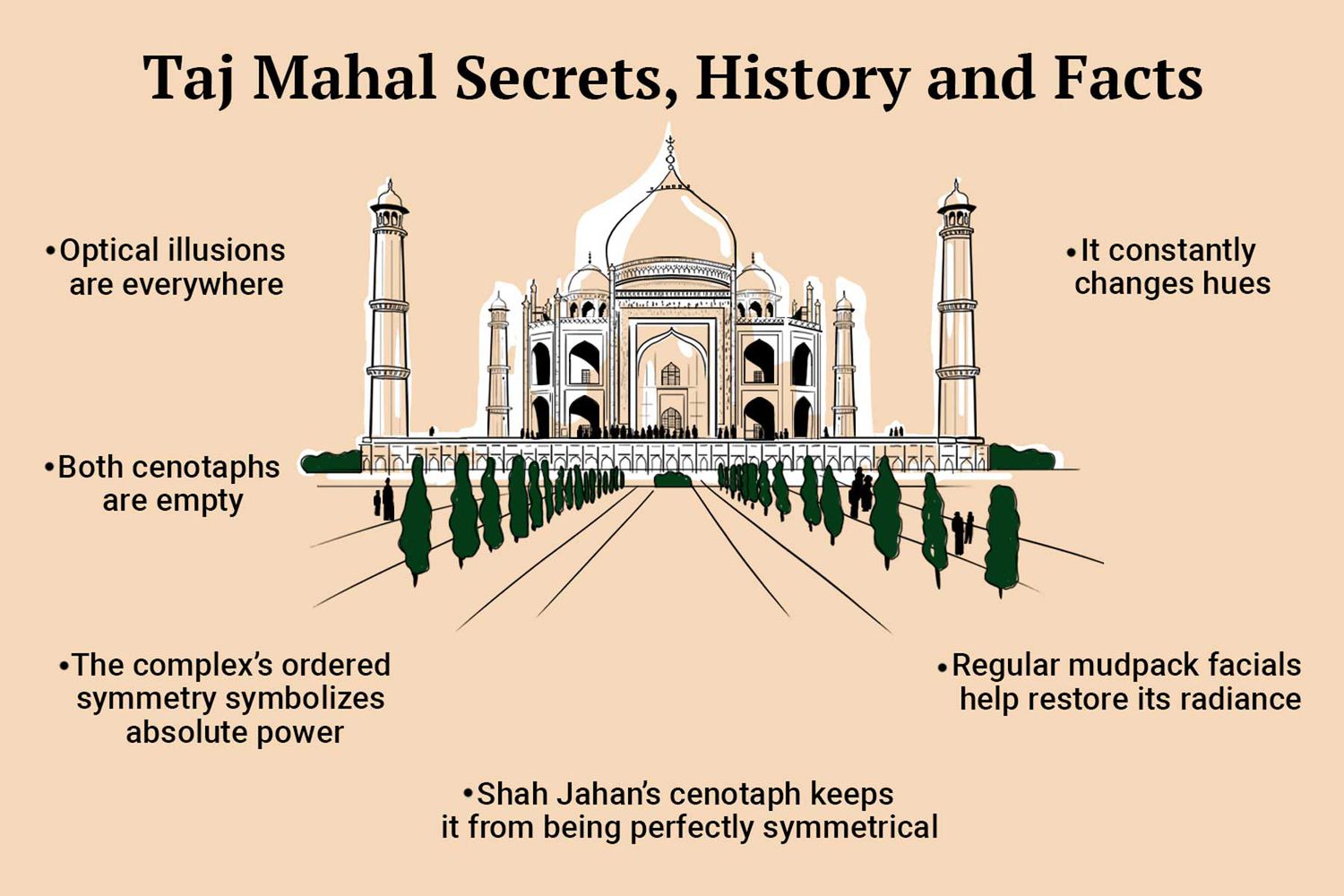
The Taj Mahal! A beautiful place in Agra, where many people come every day to visit and take pictures with the Taj Mahal. The Taj
Author: Kulwinder Singh
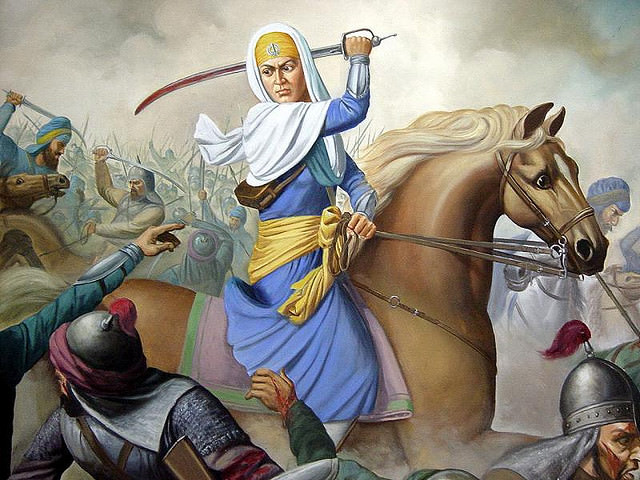
My conviction and confidence as a young Sikh lady have always been founded in my Sikhi. Growing up in a huge household with a brother
Gurdwara Sri Guru Tegh Bahadur Sahib This Gurdwara is a Sikh Gurdwara in Dhubri, India, on the banks of the Brahmaputra River. Guru Nanak Dev,
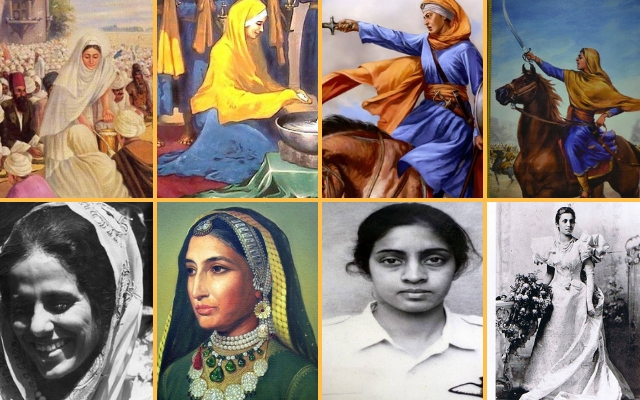
Gulab Kaur, the Freedom Fighter (1890–1941) Gulab Kaur and her husband, Man Singh, came from a poor background and hoped for a brighter future. So
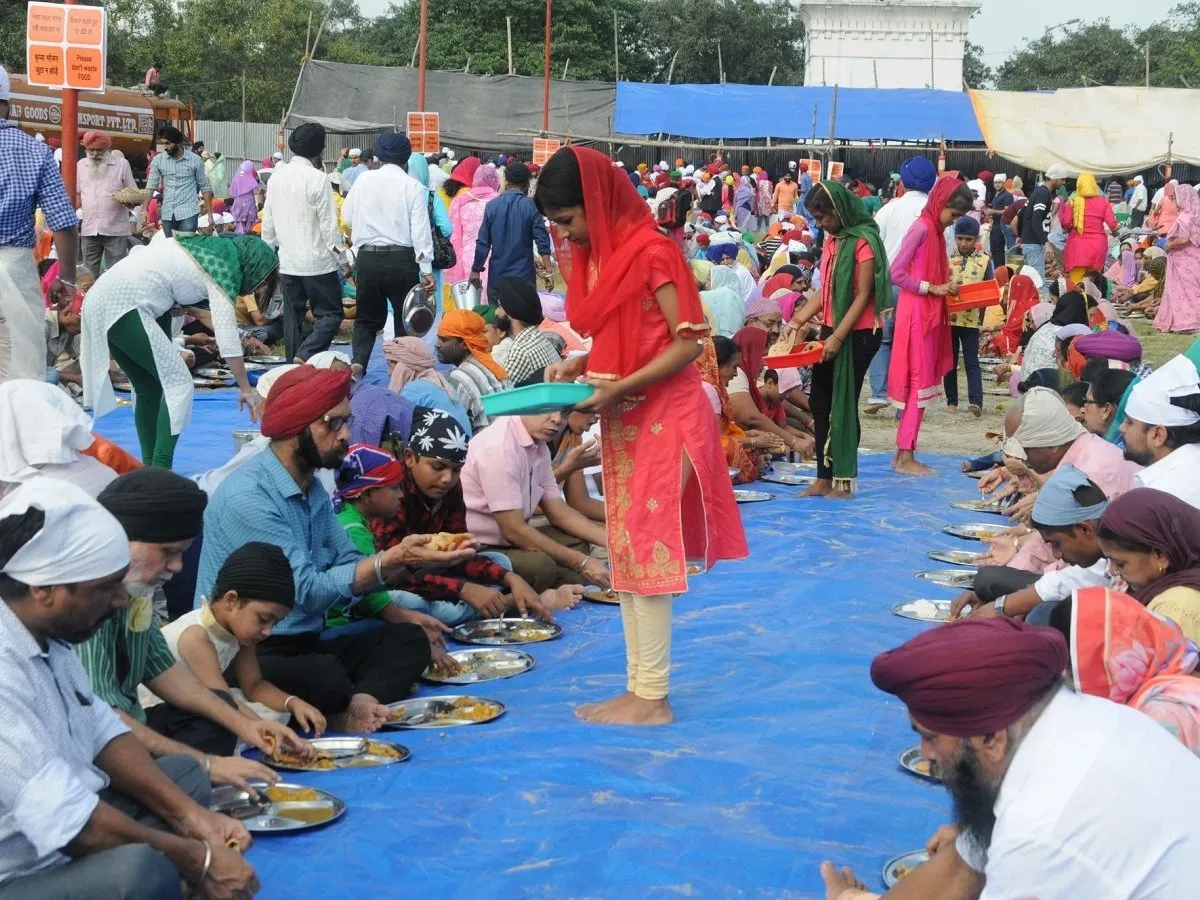
India is a melting pot of many cultures and religions, and so is the work ethic in creative ideas and media, which no one can
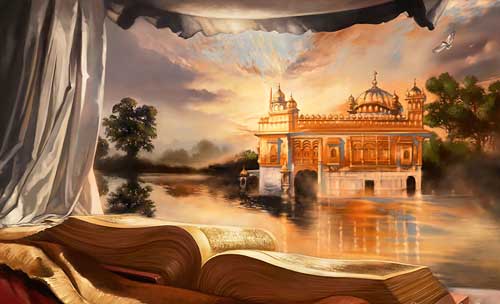
The Guru Granth Sahib (Punjabi: pronounced [u nth sahb]) is the central holy religious document of Sikhism, regarded by Sikhs as the last, sovereign, and
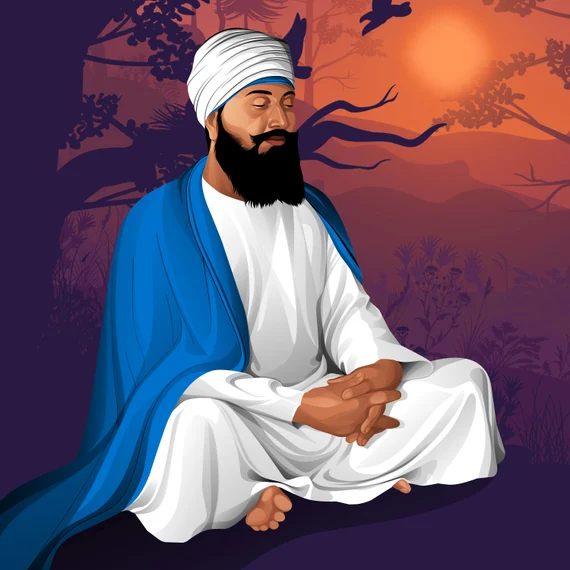
Guru Tegh Bahadur (Punjabi: (Gurmukhi); Punjabi pronunciation: [gu te bad]; 1 April 1621 – 11 November 1675) was a Punjabi Guru. Was the ninth of
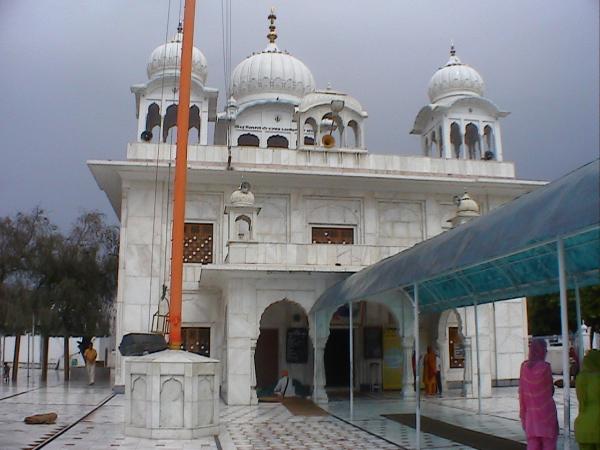
Gurudwara Charan Kanwal Sahib, Shri Gurudwara Maharaja Ranjit Singh erected Charan Kanwal in honor of the sixth Guru, Har Gobind Singh Ji. Guru Ji arrived

The martyrdom of the four “Sahibzaade” (Sons) is a vital and integral aspect of Sikh history, and the occasion of their martyrdom is recalled and
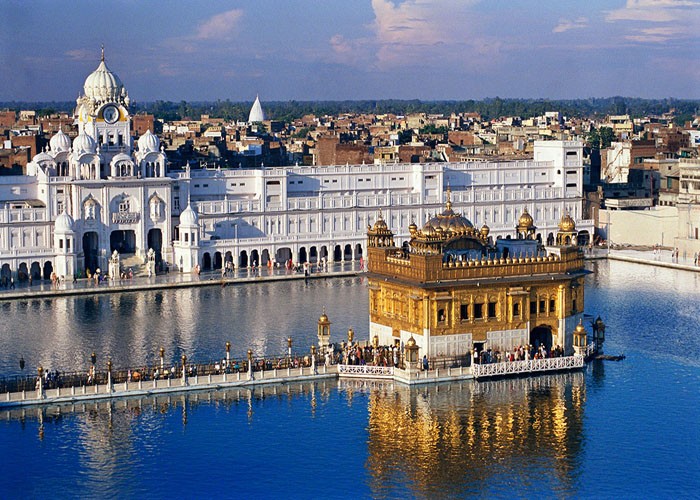
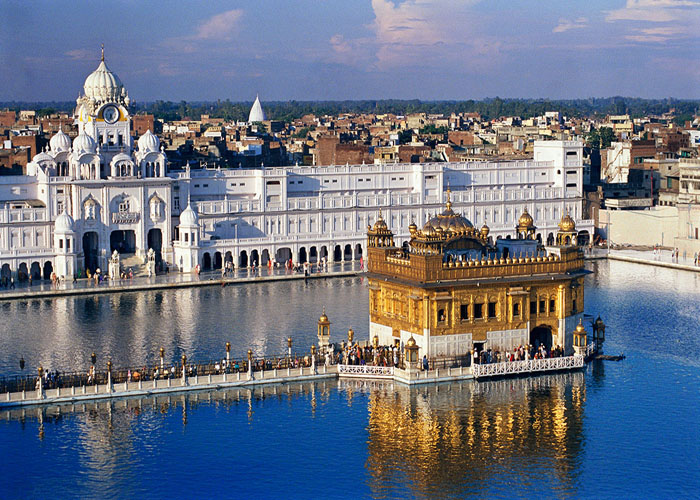
The Golden Temple The Golden Temple may be found in Amritsar, Punjab, India. The Golden Temple is the most sacred and famous religious site not