
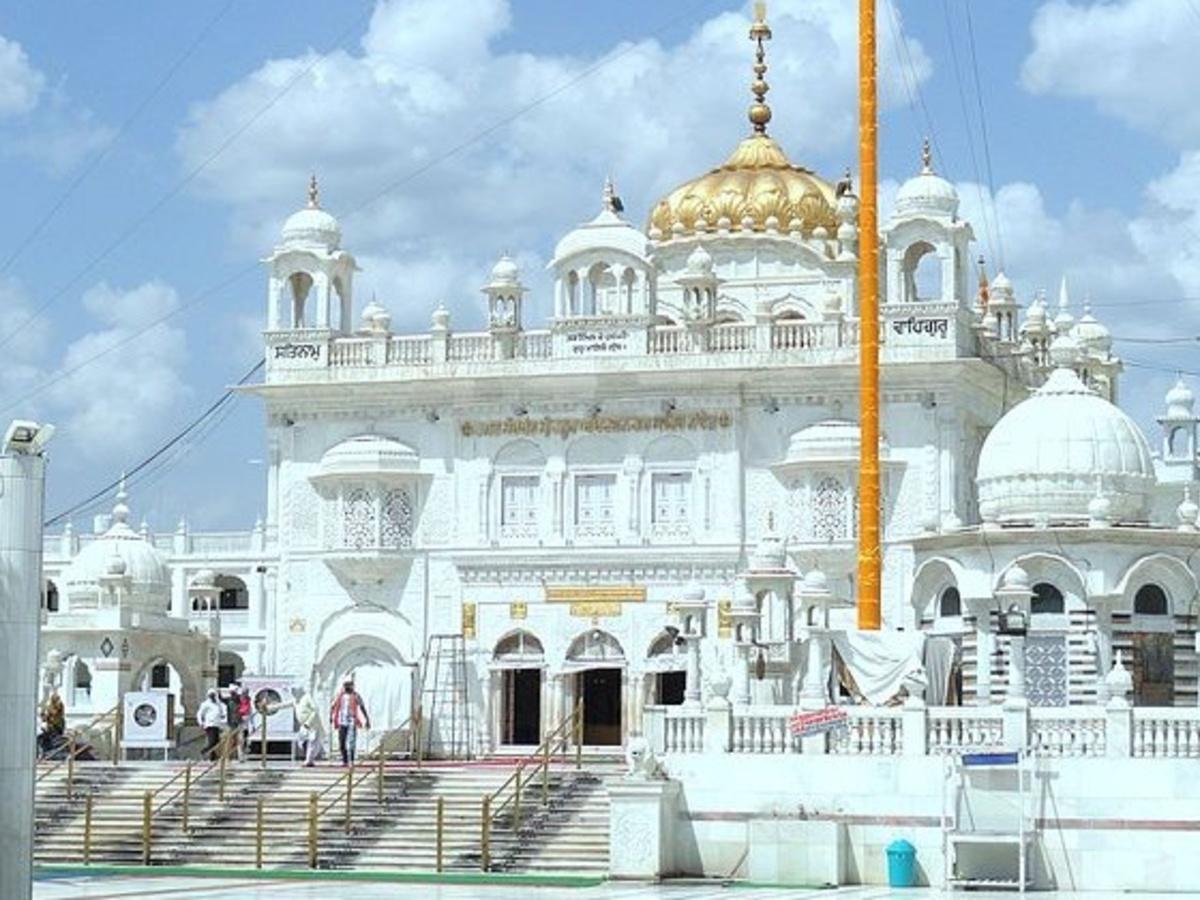
Takht Sri Hazur Sahib Gurudwara, situated in the heart of Nanded, Maharashtra, stands as a timeless beacon of Sikh spirituality. This sacred shrine, one of
Category: Sikh Gurus
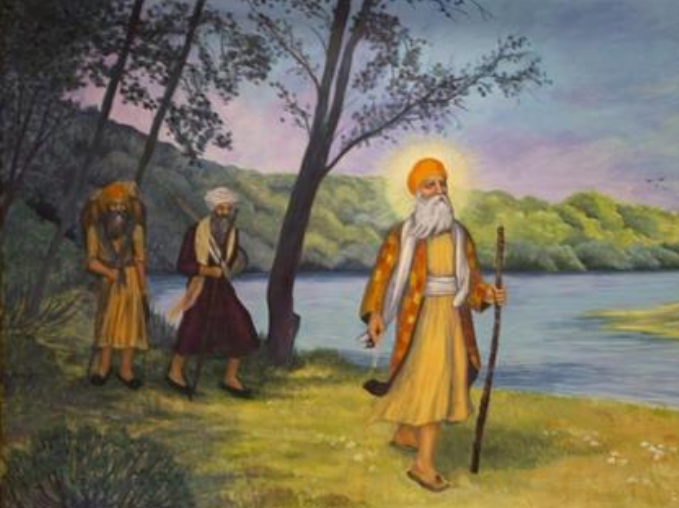
Guru Nanak Dev Ji, the founder of Sikhism, lived a life woven with profoundspiritual insights and transformative encounters. From his humblebeginnings to his last moments,

The Guru Granth Sahib (Punjabi: pronounced [u nth sahb]) is the central holy religious document of Sikhism, regarded by Sikhs as the last, sovereign, and
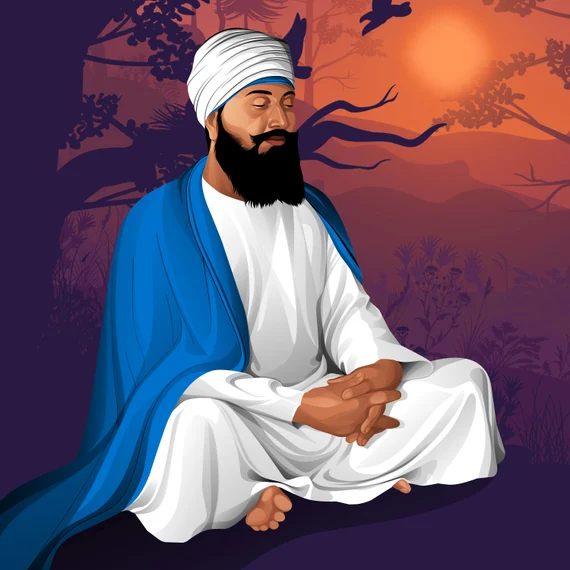
Guru Tegh Bahadur (Punjabi: (Gurmukhi); Punjabi pronunciation: [gu te bad]; 1 April 1621 – 11 November 1675) was a Punjabi Guru. Was the ninth of

The martyrdom of the four “Sahibzaade” (Sons) is a vital and integral aspect of Sikh history, and the occasion of their martyrdom is recalled and
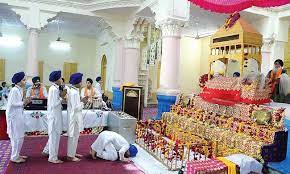
The Guru Granth Sahib is fundamental to the life of Sikhs. Eleanor Nesbitt explores Sikh daily prayer, devotional songs, and festivals, as well as the
Gurus are fundamental to Sikh belief. Eleanor Nesbitt examines Guru Nanak, the notion of Guru in Sikhism, the essential principles of Gurus’ teachings, and the
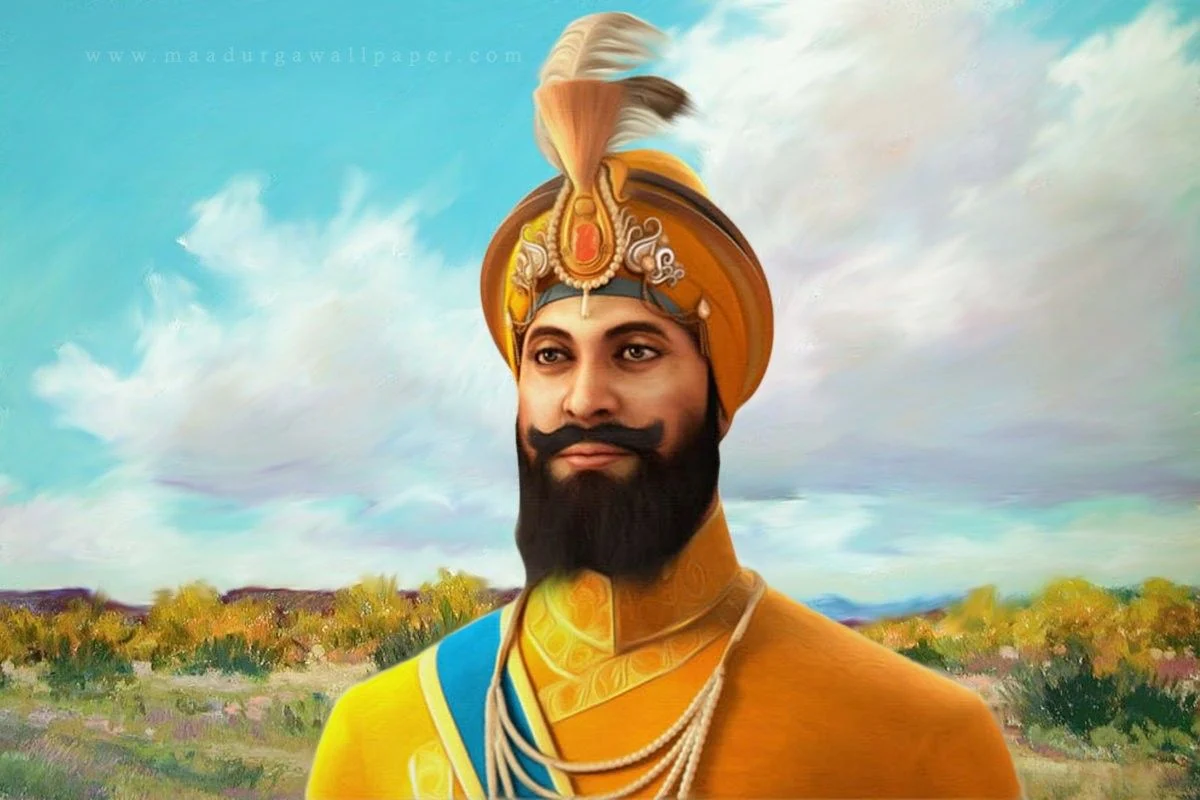
Guru Gobind Singh, original name Gobind Ri, (born 1666 in Patna, Bihar, India—died October 7, 1708, in Nanded, Maharashtra), was the 10th and final personal
Guru Nanak Ji Guru Nanak (15 April 1469 – 22 September 1539; Gurmukhi: pronunciation: [gu naank], pronunciation), also known as Baba Nanak (‘father Nanak,’ was
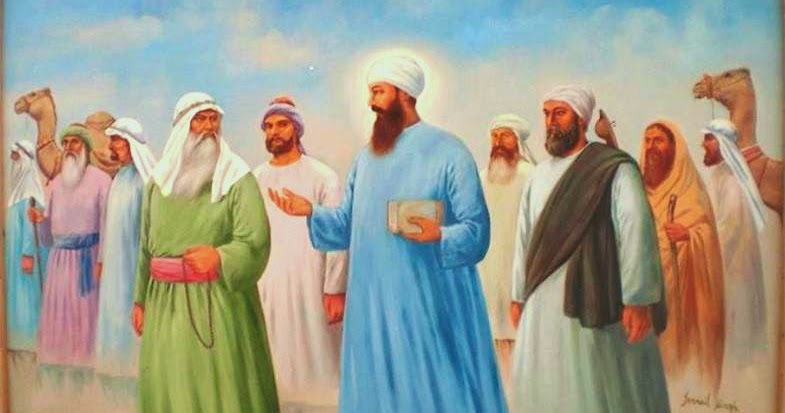
Guru Nanak eMecca Jump to the navigate Jump to search Portrait of 16th Century Mecca Guru Nanak traveled to Mecca on his fourth (last) day