“ਨਾ ਕੋ ਬੈਰੀ ਨਹੀ ਬਿਗਾਨਾ ਸਗਲ ਸੰਗਿ ਹਮ ਕਉ ਬਨਿ ਆਈ ॥” “No one is my enemy, and no one is a stranger; I get along with everyone.” — Guru Granth Sahib Ji
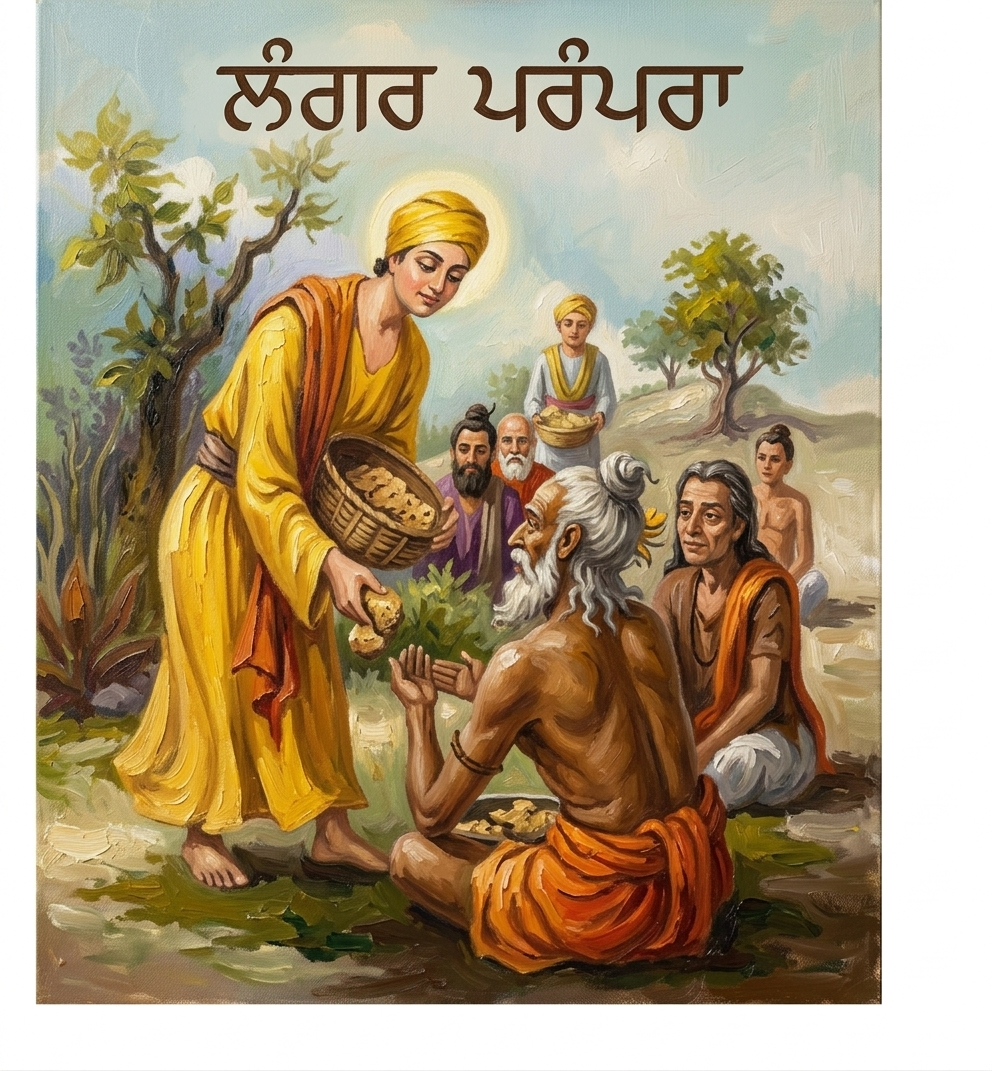
Langar is not just a soup kitchen; it is a living manifestation of two core Sikh principles: Vand Chhako (sharing what you earn with the needy) and Seva (selfless service).
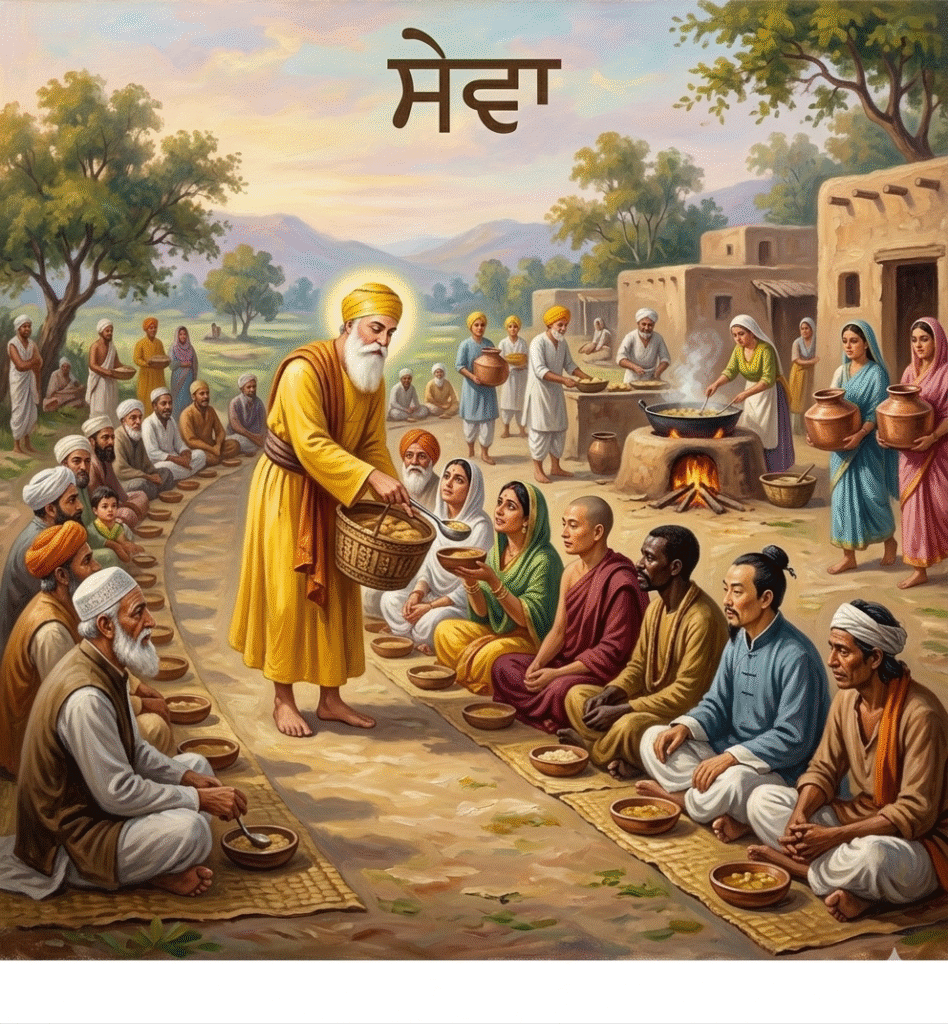
The beauty of Langar lies in its radical equality. In a world deeply divided by caste, creed, gender, and economic status, Langar serves as a great equalizer.
Pangat to Sangat: Every visitor sits side-by-side on the floor (Pangat) in a single row, symbolizing absolute equality before the divine congregation (Sangat).
Universal Acceptance: Whether you are a king or a pauper, a devotee or a traveler, you are served the exact same nutritious, vegetarian meal with the utmost humility.
A Global Legacy of Selfless Service
Today, this beautiful tradition operates on an unimaginable scale. From the Golden Temple in Amritsar—which serves over 100,000 people daily—to small local Gurdwaras across the globe, Langar runs entirely on voluntary donations and tireless volunteer labor.
Whenever disaster strikes, whether it is a pandemic, a conflict zone, or a natural calamity, Sikh communities are often the first on the ground, setting up emergency Langars to feed those in distress. The Langar Parampara stands as a timeless reminder to humanity that true spirituality is found not in isolation, but in serving others with an open heart.